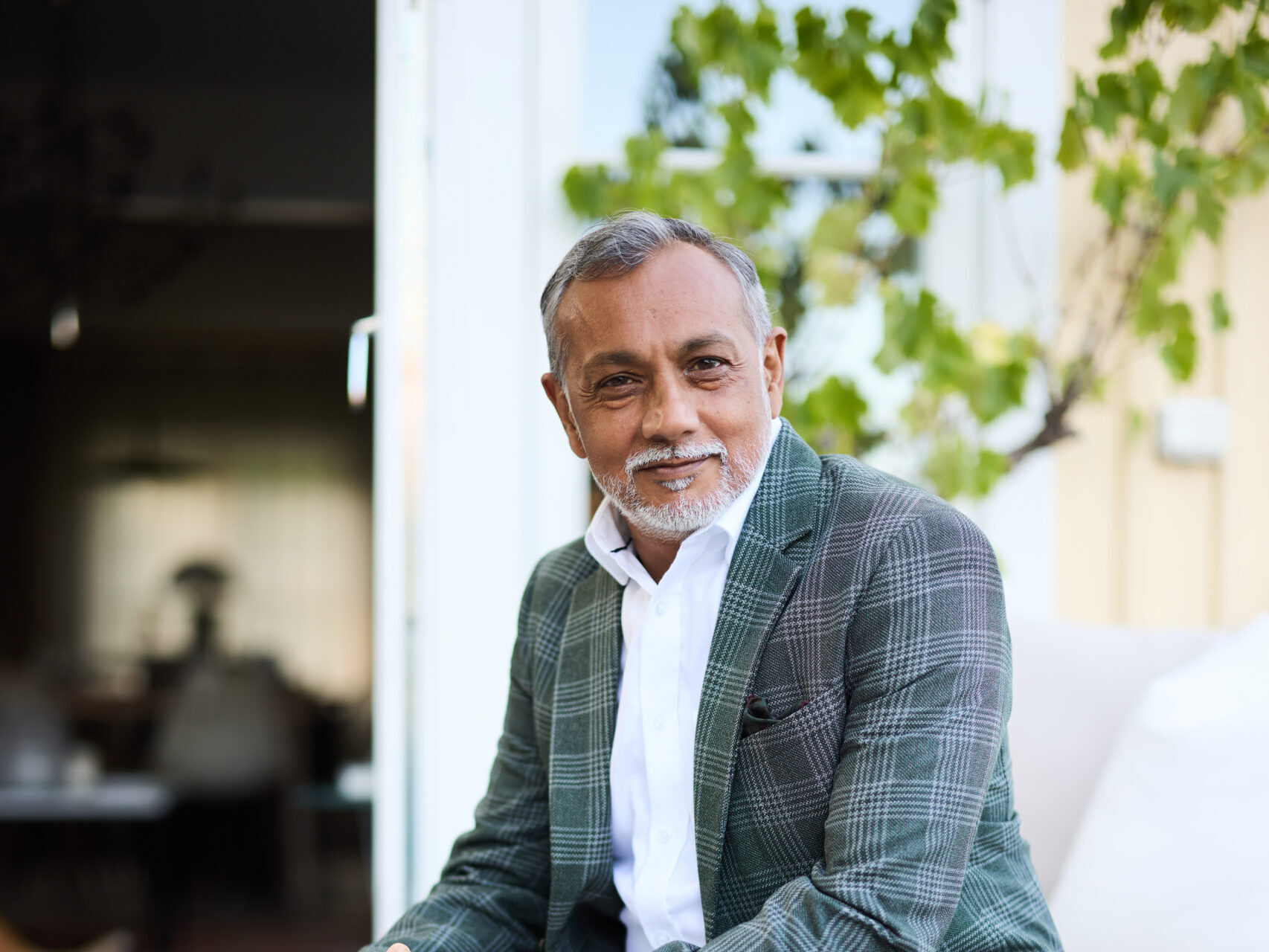
Samant Kumar is a distinguished, award-winning Portfolio Manager and Agile Program Manager at Capgemini, bringing over 20 years of extensive experience in Agile Program and Project Management, along with software solution delivery across various domains. His impressive career is bolstered by numerous certifications, including SAFe SPC, PMI-ACP, ICP-ACC, A-CSM, CSM, and CSPO, which solidify his reputation as an agile champion.
Samant’s inspiration to step into this industry stemmed from a deep fascination with technology and its potential to drive transformation in organizations. Early in his career, he witnessed firsthand how agile methodologies could enhance collaboration and efficiency, leading to successful project outcomes. The dynamic nature of the industry, with its constant evolution and emphasis on innovation, captivated him.
Additionally, Samant has always been passionate about problem-solving and helping teams reach their full potential. The opportunity to empower others through coaching and mentorship, while facilitating meaningful change, truly motivated him to pursue a career in agile project management. Ultimately, the combination of technology, collaboration, and the ability to make a positive impact on organizations and individuals inspired him to embark on this journey.
He is affiliated with esteemed professional associations including IEEE, PMI, Asian Society of Indian Engineers (ASIE), International Association of Engineers, Scrum Alliance, Agile Alliance, Scrum.org, and Keep Austin Agile (KAA). Samant is a fellow member of The Institution of Electronics and Telecommunication Engineers (IETE), THREWS Fellow, Royal fellow (IOASD) and SAS Eminent Fellow member. He also holds Harvard Business Review (HBR) Advisory council member, PEX Process network advisory council, University of Houston (Industry Advisory Board), Project Management Institute (PMI), Houston VP Program nominated . Samant has also served as a judge in prestigious events like the Stevie Award, Globee Award, Claro award, Judge at ReImagine education, Multiple Hackathons like Hackrice 14 at Rice University,Texas, MHacks at Michigan University, NASA International App challenge, Hack UTD University of Texas, Dallas and HackUTA at UT Arlington, Science and Engineering Fair (TXSEF), and Science Exhibition of Houston. Committed to mentorship, he actively participates in programs at Katy ISD School District, Texas, and adplist.org.
Samant has contributed to several publications featured in prominent platforms such as Scopus, UT Dallas Project Management Symposium, IGI Global Publishing, Dzone, and PEX Process network. Agile Book chapter published in Scopus and IGI global.
Leading at Capgemini
Samant’s professional journey began as a System Engineer at IBM and he has advanced through roles such as Technical Lead, Project Manager, Program Manager, and Portfolio Manager. This trajectory highlights not only his extensive experience but also his capacity to adapt continuously.
Currently, at Capgemini, Samant demonstrates a strong commitment to navigating the ever-evolving landscape of technology and project management. He has successfully led complex programs across various portfolios, showcasing his agility in project management and openness to new tools like Jira Align, Azure DevOps (ADO), MIRO, MURAL, and Confluence. He believes that collaboration and communication are crucial for success, and his ability to foster teamwork while ensuring alignment with business objectives has significantly contributed to his recognition in the field.
As an Agile Portfolio Manager, Samant offers specialized services designed to enhance agile capabilities and facilitate transformation for clients. His offerings include Agile Transformation Consulting, where he assesses existing practices and creates customized implementation strategies. He also provides Portfolio Management to align project portfolios with strategic goals, as well as Training and Coaching on methodologies such as Scrum and Kanban.
Samant’s focus extends to Process Optimization, where he identifies inefficiencies and streamlines workflows, alongside Risk Management, where he develops strategies to mitigate project risks. He emphasizes Stakeholder Engagement through effective communication plans and establishes key performance indicators to measure success. Additionally, Samant supports Change Management to navigate cultural shifts and promote Innovation Facilitation through events like hackathons. Overall, he guides clients on their agile journey, driving meaningful change and enhancing performance.
Comprehensive Agile Services
Samant’s services as an Agile Portfolio Manager focus on enhancing agile capabilities and driving transformation for clients. Key offerings include Agile Transformation Consulting, where he assesses existing practices and crafts tailored strategies for effective implementation; Portfolio Management, which aligns project portfolios with strategic goals; and Training and Coaching on methodologies like Scrum and Kanban.
What sets his services apart in the market is a holistic approach that integrates various facets of agile implementation. He prioritizes Process Optimization by identifying inefficiencies and streamlining workflows, while also addressing Risk Management with proactive strategies to mitigate project risks. His emphasis on Stakeholder Engagement ensures effective communication and alignment throughout the transformation process.
Additionally, he establishes key performance indicators to measure success and support Change Management to navigate cultural shifts. By promoting Innovation Facilitation through events like hackathons, he encourages a culture of experimentation and creativity. This comprehensive and adaptive methodology, combined with a strong focus on collaboration and communication, uniquely positions his services to drive meaningful change and improve performance in organizations.
Leading a Performance-Oriented Team
Samant’s leadership style can be described as collaborative and adaptive, emphasizing open communication, empowerment, and continuous improvement. He believes in fostering a supportive environment where team members feel valued and encouraged to share their ideas. By promoting collaboration, he helps create a sense of ownership and accountability within the team, which enhances motivation and engagement.
This approach has significantly influenced his teams’ performance and project outcomes. By actively involving team members in decision-making processes, Samant enables them to contribute their unique perspectives, leading to more innovative solutions. Additionally, he prioritizes regular feedback and coaching, which helps individuals develop their skills and adapt to challenges effectively.
Moreover, Samant’s adaptability allows him to respond to changing circumstances and adjust strategies as needed, ensuring that they remain aligned with project goals. As a result, his teams have consistently delivered high-quality results while fostering a positive work culture that encourages growth and collaboration. Ultimately, this leadership style has not only improved project outcomes but also nurtured the professional development of team members.
Challenges in the Transition
Transitioning to Agile presents several significant challenges, including cultural resistance, lack of understanding, inadequate leadership support, difficulty in aligning teams, and an overemphasis on tools. Many organizations have established workflows and mindsets that may conflict with Agile principles, so fostering a culture of openness and collaboration is crucial. Providing comprehensive training can help bridge the knowledge gap among teams, ensuring everyone is aligned with Agile concepts. Strong leadership support is also essential; engaging leaders early in the process and demonstrating how Agile aligns with strategic goals can secure their commitment.
Additionally, implementing regular communication channels, such as daily stand-ups and retrospectives, can enhance collaboration across cross-functional teams. Finally, while tools like Jira and Confluence are helpful, it’s vital to emphasize Agile values and principles over specific tools. By addressing these areas, organizations can facilitate a smoother transition to Agile and fully realize its benefits.
Also, as an Agile Portfolio Manager, Samant faces several key challenges and opportunities. Challenges include overcoming resistance to change, aligning diverse teams with common goals, keeping up with rapidly evolving technologies, and balancing strategic and tactical objectives. However, these challenges come with significant opportunities, such as driving cultural transformation that promotes collaboration and innovation, leveraging new tools to enhance agile processes, fostering leadership development through mentorship, and capitalizing on the growing market demand for agile expertise. By navigating these dynamics, he aims to drive meaningful change within organizations and contribute to their successful adoption of agile methodologies.
A Memorable Project
One recent project that Samant is particularly proud of involved leading a large-scale Agile transformation for a technology firm. The organization was struggling with slow product delivery and siloed teams, which hindered innovation and responsiveness to market demands.
To address these challenges, he initiated a comprehensive assessment of their existing processes and identified key areas for improvement. His team implemented Agile methodologies, particularly Scrum and Kanban, to enhance collaboration and streamline workflows. Samant facilitated training sessions and workshops to ensure all team members understood Agile principles and practices, fostering a shared mindset across the organization.
The project’s success stemmed from several factors: strong leadership buy-in, consistent communication, and active stakeholder engagement. Regular retrospectives allowed them to reflect on progress and make necessary adjustments, ensuring they remained aligned with their goals. Additionally, Samant established key performance indicators to measure success, which helped track improvements in delivery times and team satisfaction.
Ultimately, the transformation led to a 40% reduction in time-to-market for new products and significantly improved team morale and collaboration. This project not only demonstrated the
power of Agile methodologies but also reinforced his belief in the importance of a supportive culture and continuous improvement in achieving successful outcomes.
Staying Ahead in a Competitive Landscape
Samant leverages emerging technologies to enhance agility and drive innovation in several key ways. First, he stays informed about the latest advancements in automation, artificial intelligence, and data analytics, which allows him to identify tools that can optimize workflows and improve project efficiency. For instance, implementing automation in routine tasks frees up team members to focus on higher-value activities, fostering creativity and innovation.
Additionally, Samant uses data analytics to gain insights into project performance and team dynamics. By analyzing metrics such as velocity and cycle time, he can make informed decisions that enhance process improvements and better align with strategic goals. This data-driven approach helps in identifying bottlenecks early and allows for proactive adjustments.
He also promotes the use of collaborative tools like Jira, Confluence, and MURAL to facilitate seamless communication and enhance teamwork, especially in remote or hybrid work environments. These tools support transparency and keep everyone aligned on project objectives.
“Moreover, I encourage a culture of experimentation by organizing hackathons and innovation sprints, where teams can explore new technologies and develop creative solutions to existing challenges. By actively embracing these emerging technologies, I aim to not only improve our agile processes but also position the organization competitively in the market,” says Samant.
Fostering an Innovative Culture
To foster a culture of innovation and continuous improvement within his teams, Samant prioritizes open communication, creating an environment where team members feel safe sharing ideas and feedback. He encourages experimentation by organizing hackathons and innovation sprints, allowing teams to explore new approaches without the pressure of immediate results. Celebrating both successes and failures is essential; this emphasizes the value of learning and helps team members understand that experimentation is a vital part of the innovation process.
Additionally, he ensures that teams have access to the latest tools and training opportunities, empowering them to stay current and inspired. Establishing a regular feedback loop through retrospectives allows for reflection on processes and identification of improvement areas. Finally, Samant aligns innovation initiatives with the organization’s strategic goals, fostering motivation and a sense of purpose. By integrating these strategies, he aims to create a dynamic culture that values innovation and embraces continuous improvement as a core principle of their work.
The Evolving Role of Agile Methodologies
Throughout his career, Samant has seen Agile methodologies evolve significantly, adapting to the changing demands of technology and organizational dynamics. Initially, Agile was primarily associated with software development, focusing on iterative processes and customer collaboration. Over time, its principles have expanded beyond software projects to encompass various industries and functions, including marketing, HR, and product management. This broader adoption has led to a greater emphasis on scaling Agile practices, with frameworks like SAFe and LeSS emerging to facilitate Agile transformations at the enterprise level.
Samant has also observed a growing focus on the integration of Agile with other methodologies, such as DevOps and Lean, creating hybrid approaches that enhance efficiency and speed. Additionally, the rise of remote work has driven the need for tools and practices that support distributed teams, emphasizing collaboration and communication in virtual environments.
Looking to the future, he foresees several key trends in Agile methodologies. First, the increasing use of data analytics and AI will help teams make more informed decisions, enhancing their ability to respond to changes quickly. Second, he expects a continued emphasis on sustainability and ethical practices within Agile frameworks, as organizations seek to align their processes with broader social and environmental goals. Lastly, the importance of emotional intelligence and soft skills in Agile leadership will likely gain prominence, as effective collaboration and team dynamics become critical for success in complex, fast-paced environments.
“Overall, Agile will continue to adapt and innovate, remaining a vital approach to managing change in the modern landscape,” observes Samant.
Staying Motivated in a Changing Environment
Staying motivated and continuing to innovate in the rapidly changing field of Agile requires a proactive approach. First, Samant prioritizes continuous learning by engaging with industry literature, attending conferences, and pursuing relevant certifications. This ongoing education helps him stay informed about the latest trends and best practices.
He also cultivates a strong network of peers and mentors within the Agile community, which provides valuable insights and perspectives. Sharing experiences and challenges with others fosters a collaborative spirit and inspires new ideas. Additionally, Samant actively seeks feedback from his teams and stakeholders, as their perspectives can spark innovative solutions and improvements.
“Setting personal and professional goals helps maintain my focus and motivation. I regularly reflect on my progress and celebrate achievements, no matter how small, which reinforces my commitment to growth. Lastly, I embrace a mindset of experimentation, viewing challenges as opportunities for learning and innovation. This approach not only keeps me engaged but also encourages a culture of creativity and adaptability within my teams. By combining these strategies, I remain motivated and ready to embrace the changes and opportunities that come with this dynamic field,” shares Samant.
Overcoming Challenges Together
One particularly challenging project Samant’s team undertook involved a complete overhaul of a legacy software system for a client in the financial sector. The project faced significant hurdles, including tight deadlines, a lack of comprehensive documentation, and resistance from stakeholders accustomed to the old system.
To tackle these challenges, his team began with a thorough assessment of the existing system and identified critical areas for improvement. He facilitated workshops with key stakeholders to gather requirements and gain their buy-in for the new approach, emphasizing the benefits of the Agile methodology in addressing their concerns.
Samant and the team adopted a phased implementation strategy, breaking the project into manageable iterations. This allowed them to deliver incremental updates, gather feedback, and make adjustments along the way, which helped mitigate risks and build trust with stakeholders.
“Regular communication and transparency were crucial; I ensured that all team members were aligned on objectives and progress through daily stand-ups and weekly reviews. Additionally, we implemented a robust training program to ease the transition for end-users, addressing their apprehensions about the new system. By fostering a collaborative atmosphere and maintaining open lines of communication, we not only met the project deadline but also enhanced the system’s functionality and user satisfaction. Ultimately, this project taught us the importance of adaptability and stakeholder engagement in overcoming challenges, reinforcing our team’s resilience and commitment to success,” says Samant.
Key Skills for the Future
In the next decade, Samant suggests that the key skills for project managers will include agility and adaptability, as organizations increasingly embrace Agile methodologies, requiring leaders to pivot strategies quickly in response to changing circumstances. Emotional intelligence will also be crucial for fostering collaboration, understanding team dynamics, and managing conflicts effectively. Proficiency in data analytics will empower project managers to make informed, data-driven decisions, while digital literacy will be essential for leveraging various tools and platforms to enhance efficiency.
Additionally, strategic thinking will enable project managers to align project goals with broader organizational objectives, contributing to long-term success. As organizations navigate constant change, strong change management skills will be necessary to help teams and stakeholders adapt. Finally, fostering a culture of innovation and creative problem-solving will be increasingly important as organizations seek to differentiate themselves in competitive markets. By developing these skills, project managers will be well-equipped to navigate the complexities of the future workplace and drive successful project outcomes.
Agile for Sustainable Business Operations
Samant suggests that Agile practices can significantly contribute to more sustainable business operations in several ways. First, Agile methodologies emphasize iterative development and continuous feedback, allowing organizations to adapt quickly to changing market conditions and stakeholder needs. This responsiveness can reduce waste, as teams can pivot away from unproductive efforts and focus on delivering value more efficiently.
Additionally, Agile encourages collaboration across cross-functional teams, fostering a culture of shared responsibility and collective problem-solving. This collaborative approach can lead to more innovative solutions that prioritize sustainability, as diverse perspectives often yield creative ideas for reducing environmental impact.
Moreover, Agile practices promote transparency and regular communication, enabling teams to identify and address sustainability challenges early in the project lifecycle. By integrating sustainability goals into the Agile planning process, organizations can ensure that their projects align with broader environmental and social objectives.
Finally, the emphasis on continuous improvement in Agile encourages teams to regularly assess their processes and outcomes, driving them to seek out more sustainable practices over time. By embedding sustainability into their Agile frameworks, organizations can not only enhance their operational efficiency but also contribute to a more sustainable future.
Message for Young Professionals
For young professionals aspiring to build a career in Agile project management, Samant’s advice is to embrace continuous learning and stay curious about Agile methodologies, frameworks, and tools through certifications and online courses.
Gaining practical experience is essential; seek opportunities to apply Agile principles in real-world projects, whether through internships, volunteer work, or collaborative efforts. Additionally, developing soft skills such as communication, collaboration, and emotional intelligence is crucial, as Agile relies heavily on effective teamwork and stakeholder engagement. Actively networking within the Agile community by attending meetups, conferences, and workshops can provide valuable insights and potential mentorship opportunities. It’s important to be adaptable and open-minded, as Agile emphasizes flexibility and responsiveness. Regularly soliciting feedback from peers and mentors will help you improve and refine your skills. Finally, maintaining a focus on delivering value to customers and stakeholders will guide your decisions and prioritization in Agile projects.
“By following these steps, young professionals can effectively position themselves for success in the dynamic field of Agile project management,” he says.
Promoting an Inclusive Workspace
Encouraging diversity and inclusion in the workplace is a top priority for Samant, and he adopts several strategies to foster an inclusive environment. First, he advocates for diverse hiring practices by collaborating with HR to ensure job postings reach a wide range of candidates and that selection processes are fair and unbiased. He also supports the establishment of employee resource groups (ERGs) that empower underrepresented voices and provide a platform for sharing experiences and ideas.
Additionally, Samant promotes an inclusive culture by encouraging open dialogue about diversity and inclusion topics during team meetings and training sessions. This creates a safe space for team members to share their perspectives and helps raise awareness about the importance of diversity in driving innovation and better decision-making.
Mentorship and sponsorship are also vital and Samant actively mentors individuals from diverse backgrounds and encourages other leaders to do the same. This not only helps to develop talent but also fosters a sense of belonging.
Lastly, he regularly assesses his team’s culture and practices through surveys and feedback sessions to identify areas for improvement. “By continuously engaging with my team and prioritizing diversity and inclusion, I aim to create a workplace where everyone feels valued, respected, and empowered to contribute their unique perspectives,” shares Samant.
Trends in Technology
In the next five years, Samant believes several significant trends are likely to shape the Agile project management landscape. First, the integration of artificial intelligence (AI) and automation will
become more prevalent, enhancing decision-making processes, optimizing workflows, and providing insights from data analytics. As these technologies evolve, teams will need to adapt to new tools that streamline tasks and improve efficiency.
Second, the emphasis on remote and hybrid work environments will continue to grow, necessitating robust collaboration tools and practices that ensure effective communication among distributed teams. This shift will require organizations to invest in technology and foster a culture of inclusivity, ensuring that all team members feel engaged, regardless of their location.
Another trend is the increasing focus on sustainability and corporate social responsibility (CSR). Agile leaders will need to align their projects with sustainable practices and integrate environmental considerations into their strategies.
To prepare his organization for these trends, Samant plans to invest in training and development focused on AI and automation tools, ensuring the teams are equipped to leverage these technologies effectively. They will also prioritize enhancing their collaboration tools and practices to support remote work, ensuring that communication remains seamless. Furthermore, he will advocate for integrating sustainability goals into their Agile processes, fostering a culture that values ethical and responsible project management. By proactively addressing these trends, they can position the organization for success in the evolving landscape of Agile project management.
New Goals for the New Year
The next big goals for Samant and his team centre around enhancing their Agile capabilities and driving impactful transformations within the organization. First, they aim to achieve advanced certifications and training in emerging Agile frameworks and tools, ensuring they remain at the forefront of industry best practices. This will empower them to implement more effective strategies and improve their project outcomes.
Another key goal is to foster a culture of continuous improvement by regularly evaluating their processes and gathering feedback from team members. This will help them identify areas for optimization and ensure that they deliver maximum value to their stakeholders.
They also plan to lead significant cross-functional projects that align with our organization’s strategic objectives, focusing on collaboration and stakeholder engagement. By doing so, they can enhance their visibility within the company and demonstrate the value of Agile methodologies.
“Finally, we aim to strengthen our commitment to diversity and inclusion, actively promoting an environment where all voices are heard and valued. By pursuing these goals, we hope to create a more agile, innovative, and resilient team that is well-prepared to tackle future challenges and contribute to the organization’s success,” concludes Samant.