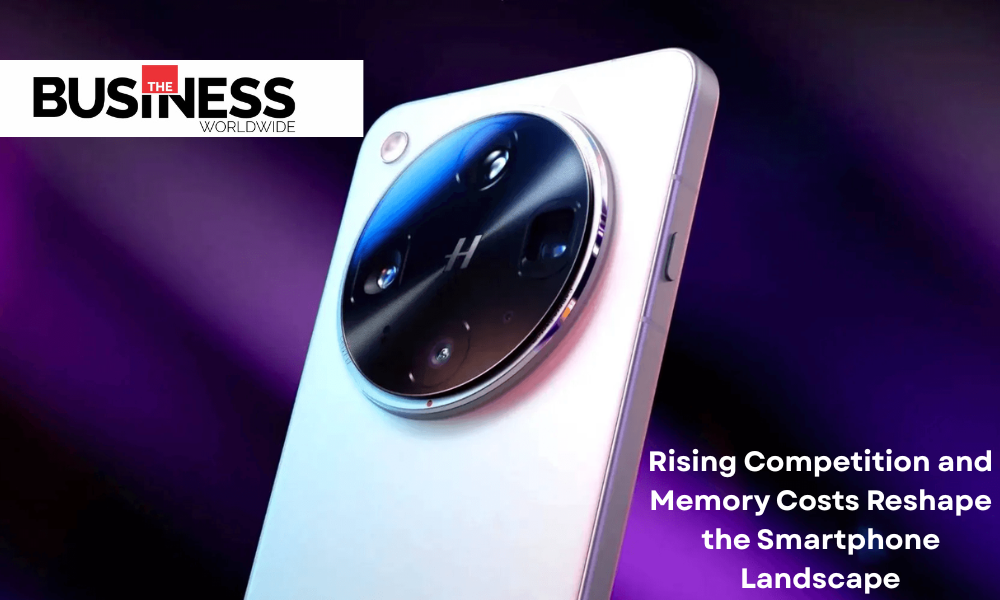
The U.S. smartphone market has long been dominated by Apple, with Samsung maintaining a significant share as its closest competitor. Together, the two brands account for the vast majority of smartphone sales, leaving limited room for other manufacturers to establish a meaningful presence. Against this backdrop, rising component costs and intensifying competition are reportedly forcing OnePlus to withdraw from the U.S. and European markets.
According to reports, the company is expected to announce the cessation of its operations in both regions in the coming days. While OnePlus has previously dismissed speculation surrounding its future, recent developments suggest a strategic shift. In several markets, customers have reportedly been redirected to purchase devices from OPPO, the sister brand under the same parent company, fueling speculation about OnePlus’ long-term plans.
From ‘Flagship Killer’ to Premium Challenger
Founded in 2014, OnePlus quickly gained recognition for offering flagship-level specifications at competitive prices. Its debut device, the OnePlus One, earned the company the “flagship killer” reputation by delivering premium performance without the premium price tag, making it a favorite among technology enthusiasts.
Over time, however, the brand repositioned itself in the premium smartphone segment, competing directly with industry leaders such as Apple and Samsung. This shift, coupled with increasing similarities between recent OnePlus devices and OPPO smartphones, led some industry observers to question whether the brand had lost the distinct identity that initially drove its success.
Industry Challenges Accelerate the Decision
Beyond intense market competition, the global DRAM and memory supply crisis has added significant pressure to smartphone manufacturers. Rising prices for memory and storage components have increased production costs across the electronics industry, forcing many companies to raise retail prices or absorb shrinking profit margins.
For OnePlus, which already faced challenges expanding its footprint in highly competitive Western markets, these industry headwinds appear to have further complicated its growth prospects.
What Lies Ahead for OnePlus?
Reports indicate that existing OnePlus and OPPO devices will continue to receive software updates throughout their promised support lifecycles. However, future OnePlus smartphones are unlikely to launch in the U.S. and Europe, with remaining inventory expected to be sold through existing retail channels.
The company’s strategy for key markets such as India and China remains unclear, and no official confirmation has been issued regarding operations in those regions. Until an announcement is made, the future of the OnePlus brand outside Asia remains uncertain.
Also Read :- Goldman Sachs Raises SanDisk Price Target as Strong NAND Outlook Fuels Bullish Forecast