
Stocks Trade Cautiously in Asia as Brent Retreats from Six-Month High

Asian stock markets traded cautiously on Monday, October 26, as oil prices retreated from six-month highs amid efforts to ease regional tensions. Investors also braced for a busy week of central bank meetings and corporate earnings reports that could test confidence in the artificial intelligence (AI) boom.

Oil Prices Ease Amid Diplomatic Efforts

Brent crude futures fell 1.6% to $114.88 a barrel following reports that Qatari mediators were in Tehran on Sunday as part of efforts to de-escalate regional tensions in coordination with the United States.

Brent prices had climbed 6.2% last week, reaching their highest weekly close since mid-2022. The rally was driven partly by Houthi attacks in Saudi Arabia, which heightened concerns about potential disruptions to global energy supplies. US crude futures also declined, falling 1.9% to $101.29 a barrel.

Despite Monday’s pullback, oil prices remained elevated, raising concerns that higher energy costs could fuel inflation and complicate monetary policy decisions worldwide.

Asian Markets Remain Under Pressure

Regional equity markets largely moved lower as investors assessed economic risks and awaited key policy announcements.

Japan’s Nikkei index dipped 0.5% after losing 4.0% last week. South Korea’s benchmark index fell 1.1%, extending a steep decline that has seen it shed almost 20% so far this month.

MSCI’s broadest index of Asia-Pacific shares outside Japan edged down 0.1%, reflecting subdued investor sentiment across the region.

Chinese blue-chip stocks also weakened, with the CSI 300 index declining 1.0% as China’s ruling Communist Party began its fifth plenum in Beijing.

Chinese equities have now fallen for 11 consecutive weeks, reflecting persistent concerns about weak domestic demand despite continued strength in exports. Investors are watching for policy signals that could support economic activity and restore confidence in the country’s markets.

Central Banks Face Inflation Challenges

Attention is turning to central banks meeting this week, as elevated oil prices threaten to intensify inflationary pressures.

Higher energy costs can feed into transportation, manufacturing and consumer prices, potentially making it harder for policymakers to bring inflation under control. The latest oil rally has raised expectations that interest-rate increases could eventually become necessary, even if some central banks decide to hold rates steady for now.

Investors of Asian stock markets will also scrutinise corporate earnings for clues about business performance and the sustainability of AI-related valuations. Together, monetary policy decisions, energy-market developments and earnings results are expected to shape market sentiment in the days ahead.

Also Read :- CoreWeave Stock Plunges as CEO Accuses Market of Acting ‘Irrationally’
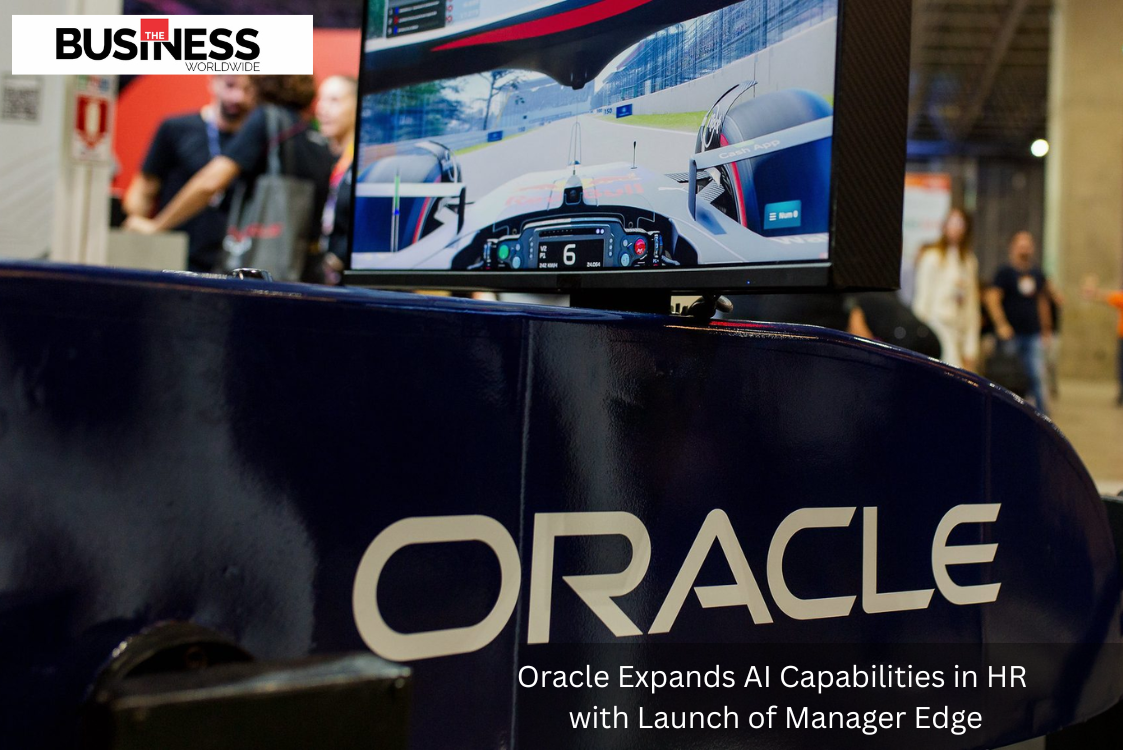
Oracle Expands AI Capabilities in HR with Launch of Manager Edge

Oracle Corporation has introduced Oracle Manager Edge, a new artificial intelligence-powered coaching assistant designed to help managers make more informed leadership decisions and improve employee engagement. Integrated into Oracle ai Fusion Cloud Human Capital Management (HCM), the solution marks another step in the company’s broader strategy of embedding AI across its enterprise cloud applications.

Real-Time Coaching for Modern Managers

Announced on June 30, Oracle ai Manager Edge delivers personalized, context-aware guidance by analysing workforce data such as employee goals, performance reviews, feedback, and other organizational signals. The AI assistant is designed to support managers in navigating day-to-day leadership challenges, including performance discussions, career development conversations, and team engagement initiatives.

The tool operates within Oracle Touchpoints and can also be accessed through widely used collaboration platforms such as Slack and Microsoft Teams, enabling managers to receive coaching recommendations directly within their existing workflows.

By providing timely insights tailored to individual situations, Oracle aims to help organizations develop stronger leaders while reducing the complexity associated with workforce management and talent development.

Strengthening Oracle AI-Driven Cloud Strategy

The launch aligns with Oracle ai ongoing efforts to integrate artificial intelligence across the employee lifecycle—from recruitment and onboarding to performance management and career progression. The company says the solution transforms workforce data into actionable recommendations, allowing organizations to improve decision-making, enhance employee retention, and build more resilient, high-performing teams.

As enterprises continue to adopt AI-driven technologies, Oracle ai is positioning its cloud-based HCM platform as a comprehensive solution for organizations seeking to modernize human resource operations while adapting to the evolving demands of the workplace.

About Oracle ai

Headquartered in Austin, Texas, Oracle Corporation is a global provider of enterprise information technology products and services. Its operations span three primary business segments: Cloud and Software, Hardware, and Services. Founded in 1977 by Lawrence J. Ellison, Robert N. Miner, and Edward A. Oates, the company has become one of the world’s leading enterprise software providers, with an increasing focus on cloud computing and AI-powered business applications.

Market Outlook

Oracle has recently been highlighted by some market analysts as one of the technology stocks with strong growth potential, particularly as businesses accelerate AI adoption. While the company continues to strengthen its enterprise AI portfolio through innovations such as Oracle ai Manager Edge, analysts note that investment opportunities within the broader AI sector remain diverse, with several emerging companies also attracting attention for their growth prospects.

Also read : AI Helps Patients Manage Epilepsy in Real Time, Study Finds