Foldable smartphones have come a long way since Samsung introduced its first Galaxy Fold in 2019. What was once an expensive experiment has evolved into a rapidly developing category, with manufacturers competing to improve durability, battery life, displays and overall usability.
This year’s devices offer a clearer picture of where the industry is heading. Motorola and Samsung have adopted high-density silicon-carbon batteries, Motorola continues experimenting with distinctive materials and finishes, while Google has focused heavily on durability. However, innovation remains expensive, with component costs and limited memory supplies adding pressure to already premium prices.
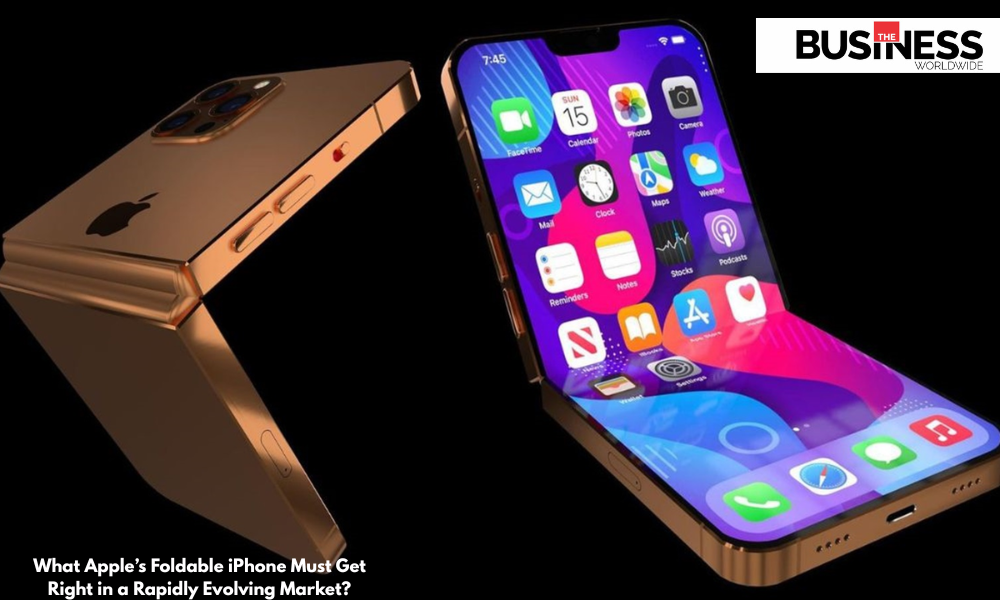
That progress has also raised expectations for Apple, which is widely expected to introduce its first foldable iPhone soon.
Samsung Pushes Hardware Forward
Samsung’s latest Galaxy Z Fold 8 series demonstrates how hardware design can make foldables more practical. The standard model adopts a shorter and wider form factor, addressing one of the longstanding drawbacks of conventional foldable phones.
When closed, the Galaxy Z Fold 8 features a 5.5-inch AMOLED display, making it easier to hold and operate. Once unfolded, users get a 7.6-inch display with a 4:3 aspect ratio. The larger screen is suited to reading and productivity in portrait mode while providing a more immersive experience for movies, television and gaming in landscape mode.
The design also reduces the letterboxing often associated with foldable displays, making better use of the available screen real estate.
Lessons for Apple
Samsung’s broader experiments, including its Galaxy Z TriFold, suggest that consumers may not necessarily want a smartphone Foldable iPhone that simply transforms into a massive tablet. Instead, the demand appears to be shifting toward wider displays that make long-form content, gaming and multitasking more enjoyable.
The Galaxy Z Fold 8 illustrates this evolution by balancing portability with a genuinely useful large-screen experience. Its approach could influence the next generation of foldable devices across the industry.
For Apple, the challenge will be to enter an increasingly mature market with more than a novel form factor. Its foldable iPhone will need to deliver meaningful improvements in design, durability, software integration and everyday usability. With competitors already refining the category, Apple’s opportunity may depend on how effectively it learns from the successes—and limitations—of the devices that came before it.
Also Read :- Regional Stocks Decline Despite Samsung’s Strong Earnings Forecast